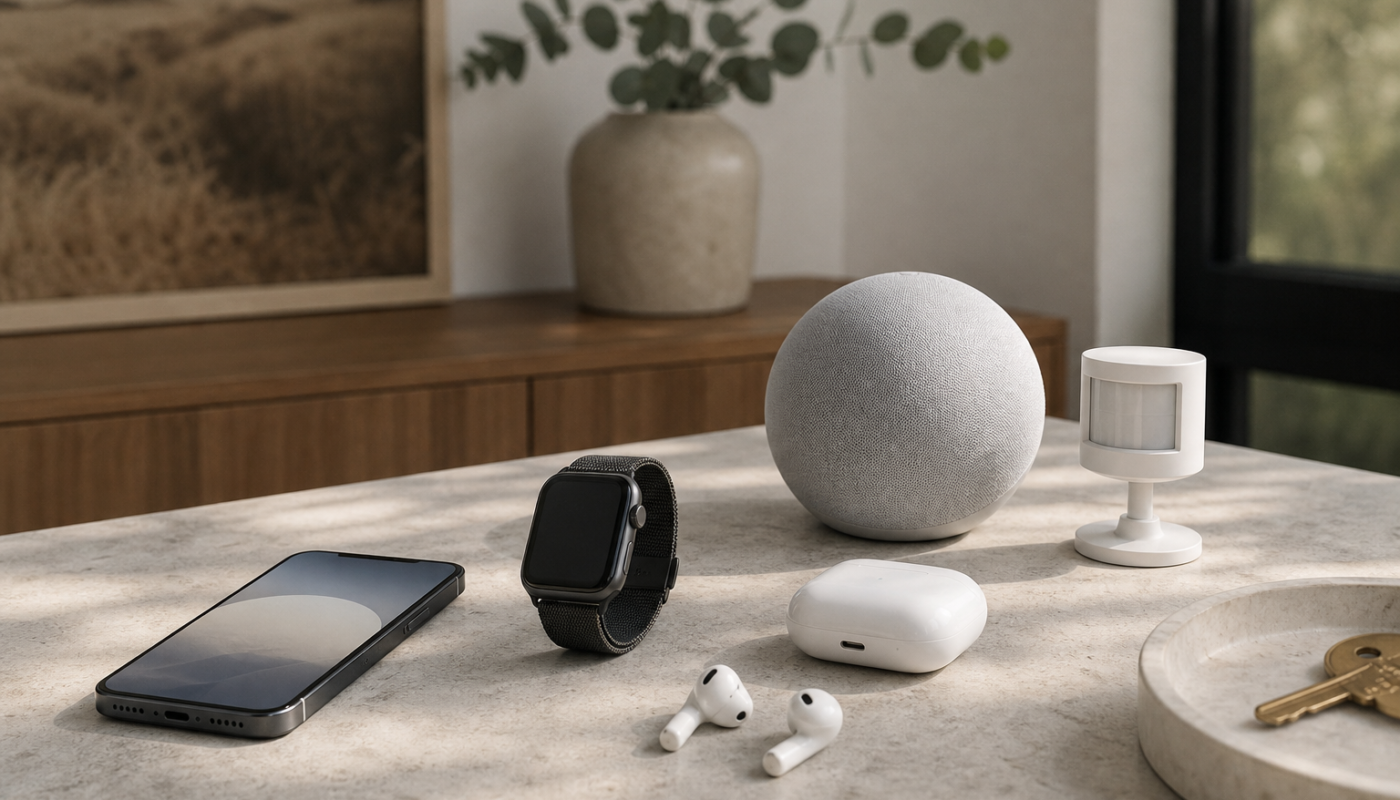
The latest gadget news is not just a stream of launch announcements. It is the useful detail behind new phones, wearables, AI devices and smart-home products: what has changed, who benefits, what works in Australia and whether a new feature is worth paying for. This living guide helps you follow gadget news without getting distracted by hype, while giving you a practical framework for comparing new tech devices as the market changes.
Latest gadget news: the trends worth watching
Consumer technology moves quickly, but the most important developments usually fit into a few familiar categories. Looking at those categories makes it easier to separate meaningful progress from minor updates.
Smartphone news and mobile devices
Smartphone news often focuses on cameras, battery life, processors, displays and artificial intelligence. Those specifications matter, but the real question is how they affect everyday use. A brighter screen may improve outdoor viewing, while more efficient hardware can extend battery life without making a phone larger. Camera improvements are most useful when they produce better photos in difficult light, faster focusing or more reliable video stabilisation.
Software support is just as important as hardware. Before buying a phone, check the manufacturer’s stated update policy, repair options, storage choices and compatibility with your existing accessories. Australian buyers should also confirm network band support, eSIM arrangements, warranty terms and whether the model is officially sold locally.
The choice between platforms remains personal. App availability, accessibility tools, privacy controls, family features and how well a phone works with your laptop or watch can matter more than a benchmark score. Our guide to Android and iOS differences can help if you are deciding which ecosystem suits your needs.
Wearables that do more than count steps
Wearables now cover smartwatches, fitness trackers, smart rings and connected audio products. The most useful improvements tend to be practical: clearer notifications, better battery endurance, safer navigation, more reliable activity tracking and easier access to music or calls.
Health-related functions need extra care. A wearable can be helpful for observing trends, but its readings may depend on fit, skin contact, software and the activity being measured. Treat consumer devices as general information tools rather than replacements for professional medical advice. Always read the manufacturer’s limitations before relying on a feature.
Comfort and compatibility are easy to overlook in gadget news coverage. A device that needs frequent charging, works only with one phone platform or feels uncomfortable overnight may deliver less value than a simpler alternative. Look for independent testing that covers real battery use, app quality and long-term comfort, not just the launch specifications.
AI devices and the changing smart-home experience
AI is appearing in phones, laptops, earbuds, cameras, home hubs and dedicated devices. Some features run directly on the product, while others depend on cloud services. That distinction affects privacy, speed, offline access and what happens if a subscription or internet connection is required.
When reading coverage of an AI device, identify exactly what the product is offering. A company may provide an AI model, a device that accesses the model, a software assistant built into another product or a paid plan with additional capabilities. These are separate things, and a headline about one should not automatically be treated as a promise about the others.
Useful questions include:
- What tasks does the device perform reliably today?
- Does it process information locally, in the cloud or through a mixture of both?
- What data is collected, retained or shared, and can those settings be changed?
- Does the product require an account, subscription or compatible ecosystem?
- What happens when the service is unavailable or the manufacturer stops supporting it?
Smart-home products deserve the same scrutiny. Cameras, microphones, locks and sensors can make a home more convenient, but they also introduce security and privacy responsibilities. Prefer products with clear update commitments, strong account protection, two-factor authentication where available and sensible controls for guest access.
How to judge new tech devices before buying
Gadget news is useful for discovering products, but a launch story is not a buying recommendation. Use a repeatable process before committing your money.
1. Start with the problem
Write down what you want to improve. It might be longer battery life, more reliable commuting navigation, better video calls or simpler control of your lights. If you cannot describe the problem, a new gadget may become an expensive novelty rather than a useful tool.
2. Compare the complete cost
Look beyond the advertised device price. Include accessories, delivery, subscriptions, replacement parts, insurance and any platform changes. A smart camera may need cloud storage, while a phone may require a different case, charger or watch. Check Australian pricing and availability close to purchase time because offers, stock and local configurations can change.
3. Check independent evidence
Read more than one review and look for testing that reflects your use. For a phone, this could mean camera samples, call quality and battery results. For earbuds, it may mean comfort, microphone performance and connection stability. For an AI device, look for examples of successful and unsuccessful tasks rather than relying on general claims about intelligence.
4. Review support and repairability
Support can determine whether a gadget remains useful after the excitement of launch day. Check update commitments, repair pathways, spare parts, warranty coverage and return conditions. If a device is central to work, study or safety, consider whether there is a dependable fallback when it needs repair.
How to follow gadget news without the hype
A reliable news routine should combine manufacturer information with independent testing. Vendor pages are the best place to confirm specifications, compatibility, software support and official availability. Independent reviews are better for assessing comfort, performance, battery life and everyday limitations.
Be careful with articles that repeat unverified rumours, use vague superlatives or treat a patent, trademark or leaked image as a confirmed product. A reported feature can still change or disappear before release. For fast-moving stories, verify the original company announcement and check the date of the information before sharing it.
It is also worth watching the businesses behind emerging products. New hardware can come from smaller companies as well as established brands, and the Australian technology sector can offer useful context on how products are developed and funded. Our coverage of Australian startup news and technology trends provides a broader view of that ecosystem.
Finally, keep a shortlist rather than buying immediately. Record the features you need, the price you are comfortable with and the compromises you will accept. Revisit the list after independent reviews appear. This simple pause often reveals whether a product solves a real problem or merely offers a more exciting version of something you already own.
Actionable takeaway
Use the latest gadget news as a research starting point, not as a reason to buy on launch day. Define your need, compare total ownership costs, check privacy and update support, and confirm Australian compatibility before choosing a phone, wearable, AI device or smart-home product.
What to check next
- Confirm the manufacturer’s current specifications, software policy and local availability.
- Check independent reviews for battery life, comfort, reliability and real-world performance.
- Review subscriptions, privacy settings, account security and repair options.
- Compare the new device with what you already own before replacing a working product.
Reference: For background context, see The Gadget Show on Wikipedia.